
Introduction
When people hear the term “core strength,” they often associate it with fitness models, six-pack abs, or gym workouts. But in reality, core strength is something that affects almost every movement you make in daily life.
From sitting at your desk and walking upstairs to maintaining posture and preventing back pain, your core muscles play a critical role in supporting your body. A weak core can lead to fatigue, poor balance, posture problems, body pain, and reduced mobility — especially in today’s sedentary lifestyle.
The good news is that improving core strength doesn’t require extreme workouts. Simple movement-based activities and balance exercises can make a major difference in overall health, stability, and quality of life.
What is Core Strength?
Your core is much more than just abdominal muscles. It includes a group of muscles around the:
- Abdomen
- Lower back
- Hips
- Pelvis
- Spine
These muscles work together to stabilize your body and support movement.
Core strength helps you:
- Maintain balance
- Improve posture
- Protect the spine
- Move efficiently
- Reduce strain on joints and muscles
A strong core acts as the body’s foundation for almost every physical activity.
Why Modern Lifestyles Weaken Core Strength
Today’s routines often involve:
- Long hours of sitting
- Screen-heavy work
- Minimal movement
- Poor posture
- Reduced physical activity
Over time, inactivity weakens core muscles and reduces mobility.
This can lead to:
- Lower back pain
- Neck stiffness
- Poor posture
- Fatigue
- Balance issues
- Reduced flexibility
Many people don’t realize that everyday discomfort is often connected to weak core stability.
Benefits of Strong Core Muscles
1. Improves Posture
A strong core supports the spine and helps maintain proper body alignment.
This reduces:
- Slouching
- Shoulder tension
- Neck pain
- Lower back stress
Good posture also improves confidence, breathing, and overall body mechanics.
2. Reduces Back Pain
Core muscles help stabilize the lower back and reduce unnecessary pressure on the spine.
Weak core muscles force other areas of the body to compensate, often causing discomfort and chronic pain.
Strengthening the core can help:
- Support spinal health
- Reduce muscle strain
- Improve movement efficiency
3. Enhances Balance and Stability
Balance relies heavily on core control.
Whether walking, exercising, climbing stairs, or performing daily activities, strong core muscles help improve:
- Coordination
- Stability
- Body control
- Reaction time
This becomes increasingly important with age.
4. Improves Energy and Movement
A stable core allows the body to move more efficiently.
People with stronger core muscles often experience:
- Better mobility
- Reduced fatigue
- Improved flexibility
- Easier movement during daily tasks
Simple movements become smoother and less physically demanding.
5. Supports Functional Fitness
Functional fitness focuses on movements used in real life rather than isolated gym exercises.
Core strength improves:
- Lifting
- Walking
- Bending
- Twisting
- Standing posture
- Athletic performance
This makes daily life easier and safer.
The Connection Between Core Strength and Mental Wellness
Movement and physical stability also affect mental well-being.
Activities that improve balance and coordination can help:
- Reduce stress
- Improve focus
- Increase confidence
- Enhance mood
Movement-based wellness routines often create a stronger mind-body connection, helping people feel more active and mentally refreshed.
How Balance Training Strengthens the Core
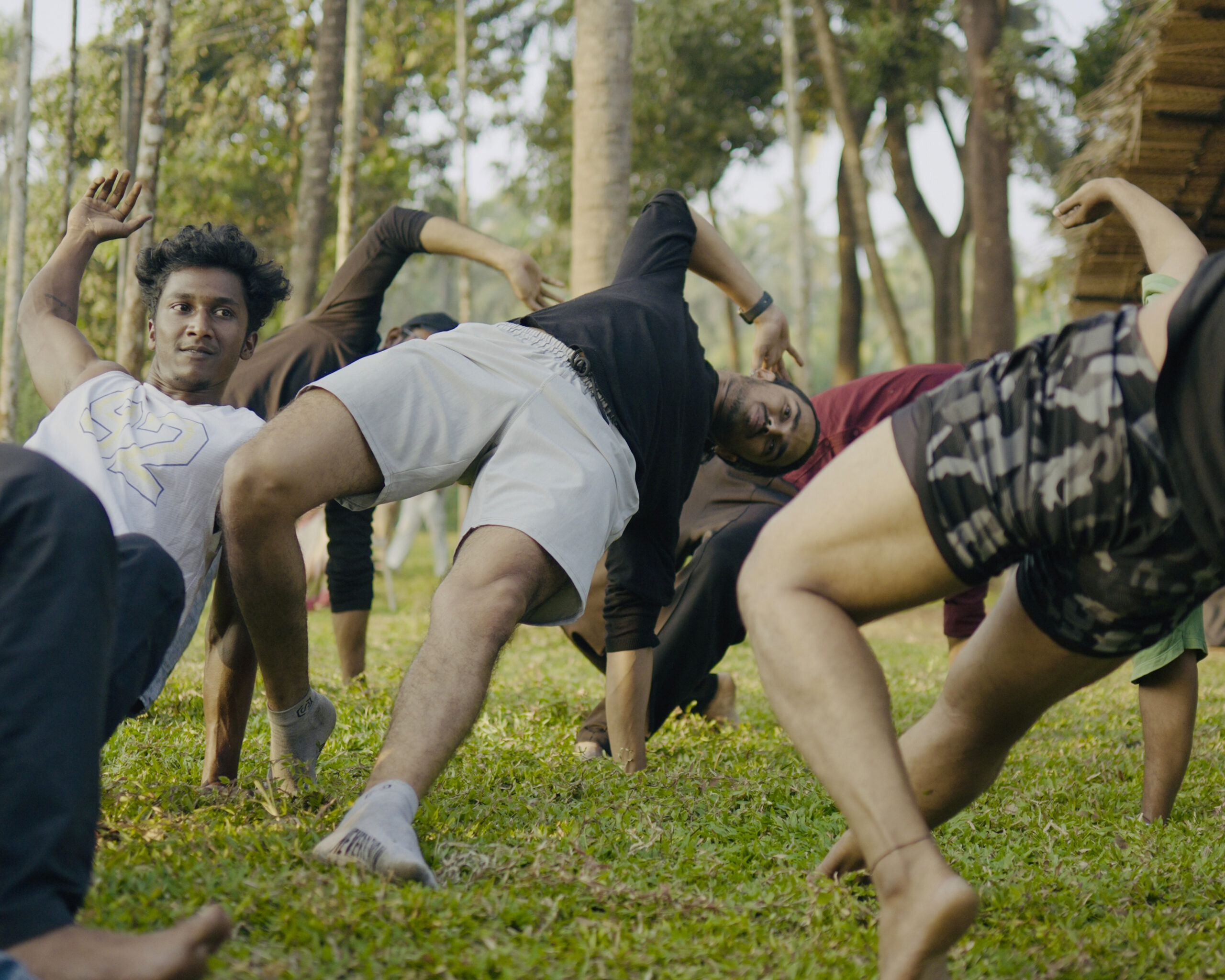
Balance activities naturally activate core muscles because the body constantly works to stabilize itself during movement.
Balance-based exercises improve:
- Core engagement
- Stability
- Posture
- Coordination
- Body awareness
Unlike repetitive gym workouts, movement-based balance activities can feel more engaging and enjoyable for people of all ages.
Simple Ways to Improve Core Strength
You don’t need complicated fitness routines to strengthen your core.
Simple activities include:
- Balance exercises
- Planks
- Stability movements
- Walking
- Mobility exercises
- Stretching routines
- Movement-based fitness activities
Consistency matters more than intensity.
Why Core Strength Matters More After 30
As people age, muscle strength, flexibility, and stability naturally begin to decline.
A strong core becomes essential for:
- Preventing injuries
- Maintaining mobility
- Improving posture
- Staying physically active
- Supporting healthy aging
Core-focused movement routines help adults stay independent, energetic, and physically capable over time.
How ERU Play Supports Functional Core Strength
ERU Play combines movement, balance, and functional wellness activities that naturally engage core muscles while improving stability and coordination.
ERU Play’s movement-based system helps users:
- Improve posture
- Enhance balance
- Strengthen core stability
- Increase mobility
- Build body awareness
The interactive approach makes movement more enjoyable while supporting overall physical wellness.
Conclusion
Core strength is not just about fitness aesthetics — it is the foundation of healthy movement, posture, balance, and overall well-being.
A stronger core can improve daily life by reducing pain, increasing stability, supporting better posture, and enhancing mobility at any age.
Through movement-based balance activities and functional wellness routines, ERU Play helps people stay active, balanced, and physically strong in a simple and engaging way.
Frequently Asked Questions
Why is core strength important?
Core strength supports posture, balance, spinal stability, mobility, and efficient body movement.
Can weak core muscles cause back pain?
Yes. Weak core muscles can increase strain on the spine and lower back, leading to discomfort and poor posture.
Do balance exercises strengthen the core?
Absolutely. Balance activities naturally activate core muscles to stabilize the body during movement.
Is core training important after 30?
Yes. Core strength becomes increasingly important with age to maintain mobility, stability, posture, and injury prevention.