
Introduction
In today’s digital-first world, children are spending more time indoors and less time engaging in active physical play. This shift has led to growing concerns about posture, coordination, concentration, and overall child development. One of the most effective ways to support a child’s physical and cognitive growth is through balance training.
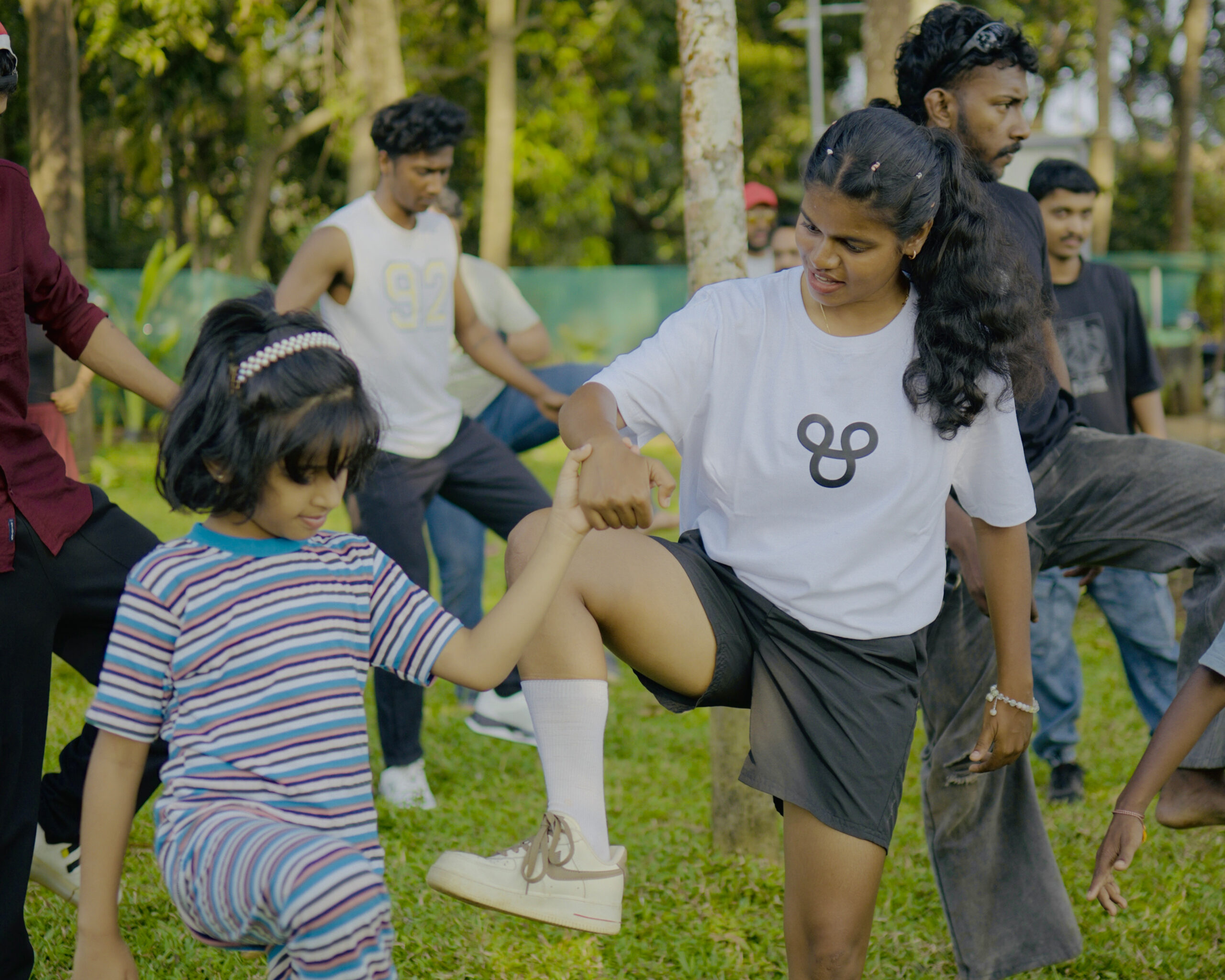
Balance training activities help children improve motor skills, body awareness, focus, confidence, and coordination while making movement fun and engaging. Whether at home, in schools, or during play sessions, movement-based learning can play a major role in early childhood development.
What is Balance Training?
Balance training includes activities that help children maintain stability, control body movements, and improve coordination. These activities stimulate the vestibular system — a sensory system responsible for balance, movement, and spatial orientation.
Simple activities such as standing on one leg, walking on uneven surfaces, or using balance boards can significantly improve a child’s physical abilities over time.
Why Early Childhood Development Matters
The early years of a child’s life are crucial for brain development and physical growth. During this stage, children rapidly develop:
- Motor skills
- Muscle coordination
- Cognitive abilities
- Emotional confidence
- Sensory awareness
- Social interaction skills
Movement-based activities encourage children to explore their surroundings, understand body control, and develop stronger neural connections.
Benefits of Balance Training for Children
1. Improves Motor Skills
Balance activities strengthen gross motor skills by improving body coordination and movement control. Children learn how to stabilize their body, shift weight, and move confidently during physical activities.
These foundational skills support everyday activities such as running, jumping, climbing, and even writing.
2. Enhances Focus and Concentration
Balance exercises require children to stay attentive and aware of their body movements. This improves concentration, attention span, and mental engagement.
Children who participate in movement-based learning activities often perform better during classroom sessions and learning exercises.
3. Supports Brain Development
Physical movement activates multiple regions of the brain simultaneously. Balance training improves communication between the brain and body, helping children process information more effectively.
Activities involving balance can improve:
- Spatial awareness
- Reaction time
- Cognitive flexibility
- Memory retention
- Problem-solving skills
4. Builds Confidence and Independence
As children learn new movements and successfully complete physical challenges, they naturally become more confident in their abilities.
This confidence often extends into other areas of life, including social interaction, classroom participation, and creative activities.
5. Encourages Healthy Physical Activity
Modern lifestyles often limit active playtime. Balance training introduces movement in a fun and engaging way, encouraging children to stay physically active without feeling pressured.
Regular movement helps improve:
- Posture
- Muscle strength
- Flexibility
- Core stability
- Overall fitness
The Role of Sensory Development in Balance Training
Balance training also stimulates sensory development, particularly the vestibular and proprioceptive systems. These systems help children understand body positioning, movement, and coordination.
Improved sensory processing can help children:
- Feel more aware of their movements
- Improve posture and stability
- Develop better coordination
- Respond more effectively to physical tasks
This is especially beneficial for children who struggle with focus, coordination, or sensory integration.
How Parents Can Encourage Balance Activities at Home
Parents can introduce simple balance exercises into daily routines through fun and interactive activities such as:
- Obstacle courses
- Balance walking games
- One-leg standing challenges
- Movement-based play
- Balance board exercises
The goal is to make movement enjoyable while supporting development naturally.
How ERU Play Supports Early Childhood Development
ERU Play combines movement, creativity, and learning into an engaging balance-based experience designed for children.
ERU Play products help children:
- Improve coordination
- Develop motor skills
- Enhance concentration
- Build confidence
- Stay physically active
Whether used at home, in schools, or during therapy sessions, ERU Play encourages children to learn through movement and play.
Conclusion
Balance training is much more than physical activity — it is a powerful developmental tool that supports brain growth, coordination, concentration, and confidence during early childhood.
By encouraging active play and movement-based learning, parents and educators can help children build stronger minds, healthier bodies, and lifelong developmental skills.
Introducing balance-focused activities early can create a strong foundation for a child’s future growth, learning, and overall well-being.
Frequently Asked Questions
What age is balance training suitable for?
Balance training activities can benefit children as young as 3 years old with proper supervision.
Can balance exercises improve concentration?
Yes. Balance activities help stimulate brain functions associated with focus, coordination, and attention.
Are balance boards useful for child development?
Yes. Balance boards support motor skill development, posture improvement, coordination, and sensory learning.
Can schools include balance training activities?
Absolutely. Movement-based learning activities are highly beneficial for improving classroom engagement and active learning.