
Introduction
Academic success is often associated with study routines, classroom learning, and homework. However, one of the most overlooked factors influencing a child’s learning ability is physical activity.
Children are naturally designed to move, explore, and interact with their environment. Regular movement not only supports physical health but also plays a major role in brain development, concentration, memory, and classroom performance.
As schools and parents search for better ways to improve learning outcomes, movement-based learning and physical activity are becoming increasingly important in child development and education.
Why Physical Activity Matters for Learning
The brain and body work together continuously. When children engage in physical activities such as balancing, jumping, running, or coordination exercises, multiple areas of the brain become active at the same time.
Movement helps improve:
- Blood circulation to the brain
- Oxygen flow
- Neural connectivity
- Sensory processing
- Cognitive function
This creates an environment where children can focus better, process information faster, and retain knowledge more effectively.
The Science Behind Movement and Brain Development
Physical activity stimulates areas of the brain responsible for:
- Attention
- Memory
- Decision-making
- Problem-solving
- Emotional regulation
Movement also activates the vestibular system, which helps children improve balance, body awareness, and concentration.
Children who engage in regular movement-based activities often demonstrate:
- Better focus in classrooms
- Faster learning abilities
- Improved memory retention
- Higher levels of engagement
- Stronger emotional control
How Physical Activity Improves Academic Performance
1. Enhances Concentration and Focus
Children often struggle to maintain attention during long periods of sitting. Physical movement helps release energy and re-engage the brain.
Activities involving balance and coordination require active concentration, helping children improve:
- Attention span
- Mental alertness
- Classroom participation
Even short movement breaks during learning sessions can improve focus significantly.
2. Improves Memory Retention
Movement-based learning helps children absorb and retain information more effectively.
When physical activity is combined with learning:
- The brain forms stronger neural connections
- Information becomes easier to remember
- Children stay mentally engaged longer
This is why active learning techniques are becoming increasingly popular in modern education systems.
3. Supports Emotional Well-Being
Physical activity helps reduce stress, anxiety, and restlessness in children.
Children who stay active often feel:
- More confident
- More emotionally balanced
- More motivated to participate in learning
A positive emotional state creates a healthier environment for academic growth.
4. Strengthens Cognitive Skills
Movement activities improve:
- Reaction time
- Coordination
- Problem-solving abilities
- Spatial awareness
- Cognitive flexibility
Balance-based activities especially help children strengthen communication between the brain and body.
5. Encourages Classroom Engagement
Children learn better when education becomes interactive and enjoyable.
Movement-based learning increases:
- Participation
- Creativity
- Curiosity
- Social interaction
Active classrooms often create more enthusiastic and motivated learners.
The Problem with Sedentary Learning
Modern lifestyles have significantly reduced physical movement in children. Long hours of screen time and passive learning can negatively affect:
- Posture
- Focus
- Energy levels
- Motor skill development
- Emotional regulation
Children are not meant to stay inactive for extended periods. Incorporating movement into daily routines helps restore a healthy balance between learning and physical development.
Movement-Based Learning in Schools
Many schools are now integrating movement activities into classrooms to improve student performance.
Examples include:
- Balance exercises
- Interactive learning games
- Physical activity breaks
- Coordination challenges
- Sensory movement activities
These approaches help students stay energized and mentally engaged throughout the school day.
How Parents Can Encourage Active Learning at Home
Parents can support academic performance through simple movement-based activities such as:
- Balance board exercises
- Obstacle courses
- Stretching routines
- Movement games
- Interactive learning play
The goal is to combine learning with physical activity in a fun and engaging way.
How ERU Play Supports Learning Through Movement
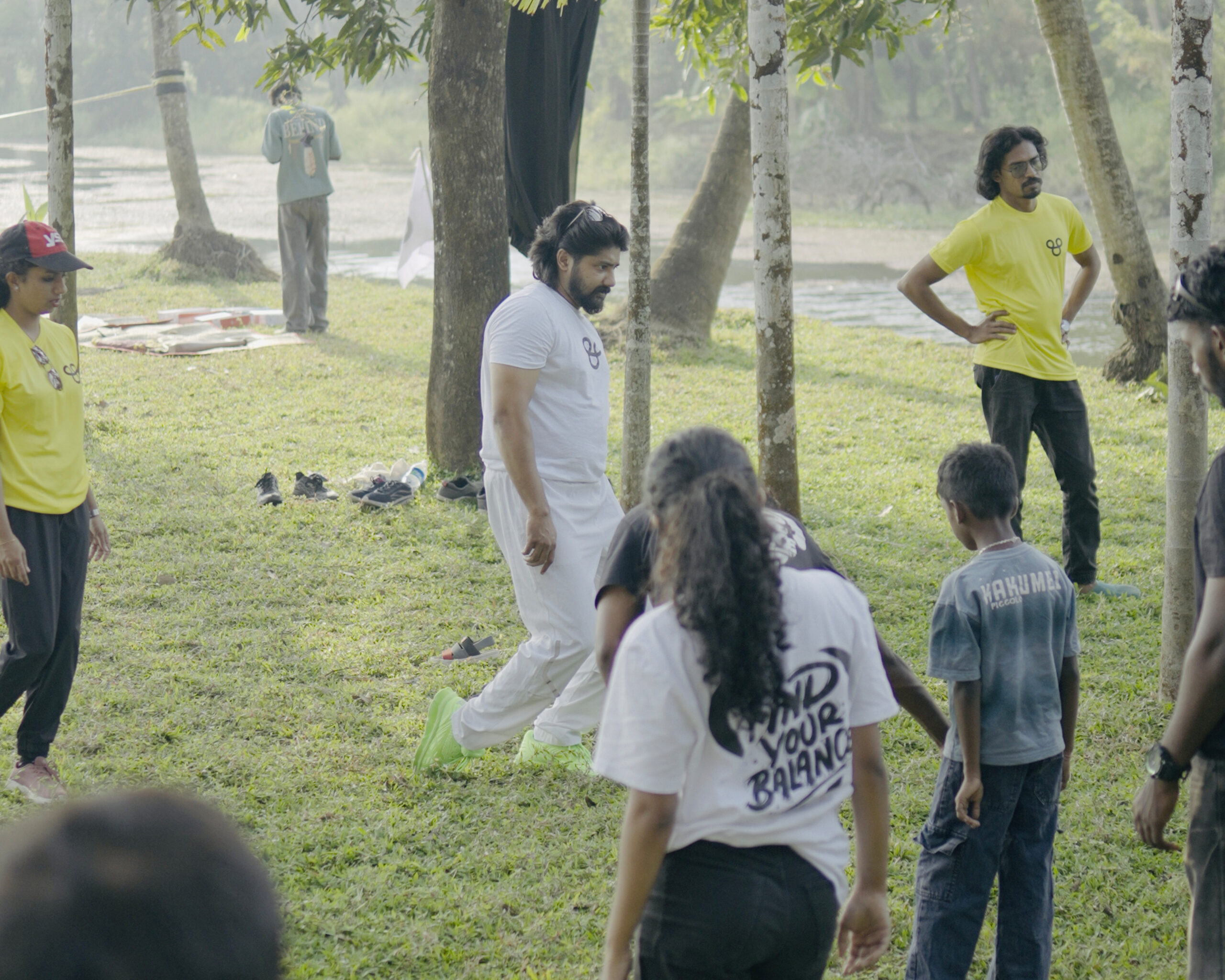
ERU Play combines movement, balance, and interactive play to help children improve focus, coordination, concentration, and cognitive development.
ERU Play’s movement-based learning approach helps children:
- Stay physically active
- Improve motor skills
- Build confidence
- Enhance concentration
- Support brain development
The interactive balance-based system transforms physical activity into a meaningful educational experience.
Why the Future of Education Includes Movement
Traditional education often focuses heavily on passive learning methods. However, research and experience continue to show that children learn more effectively when movement is involved.
Movement-based learning helps create:
- Healthier learning environments
- More engaged students
- Better academic outcomes
- Stronger physical development
- Improved emotional well-being
The future of education is not just about sitting and listening — it is about learning through movement, interaction, and experience.
Conclusion
Physical activity is not separate from academic performance — it is deeply connected to it.
Movement helps children improve concentration, memory, emotional balance, coordination, and overall learning ability. By integrating physical activity into daily routines, parents and educators can create stronger foundations for academic and personal growth.
Through interactive movement and balance-based learning experiences, ERU Play helps children stay active, focused, and ready to learn.
Frequently Asked Questions
Does physical activity improve academic performance?
Yes. Regular physical activity helps improve focus, memory retention, concentration, and overall cognitive function.
Why is movement important for children’s learning?
Movement stimulates brain activity, supports sensory processing, and helps children stay mentally engaged.
Can balance activities improve concentration?
Absolutely. Balance exercises improve body awareness, focus, coordination, and cognitive development.
How can parents encourage active learning?
Parents can introduce movement games, balance activities, sensory play, and interactive physical exercises into daily routines.