
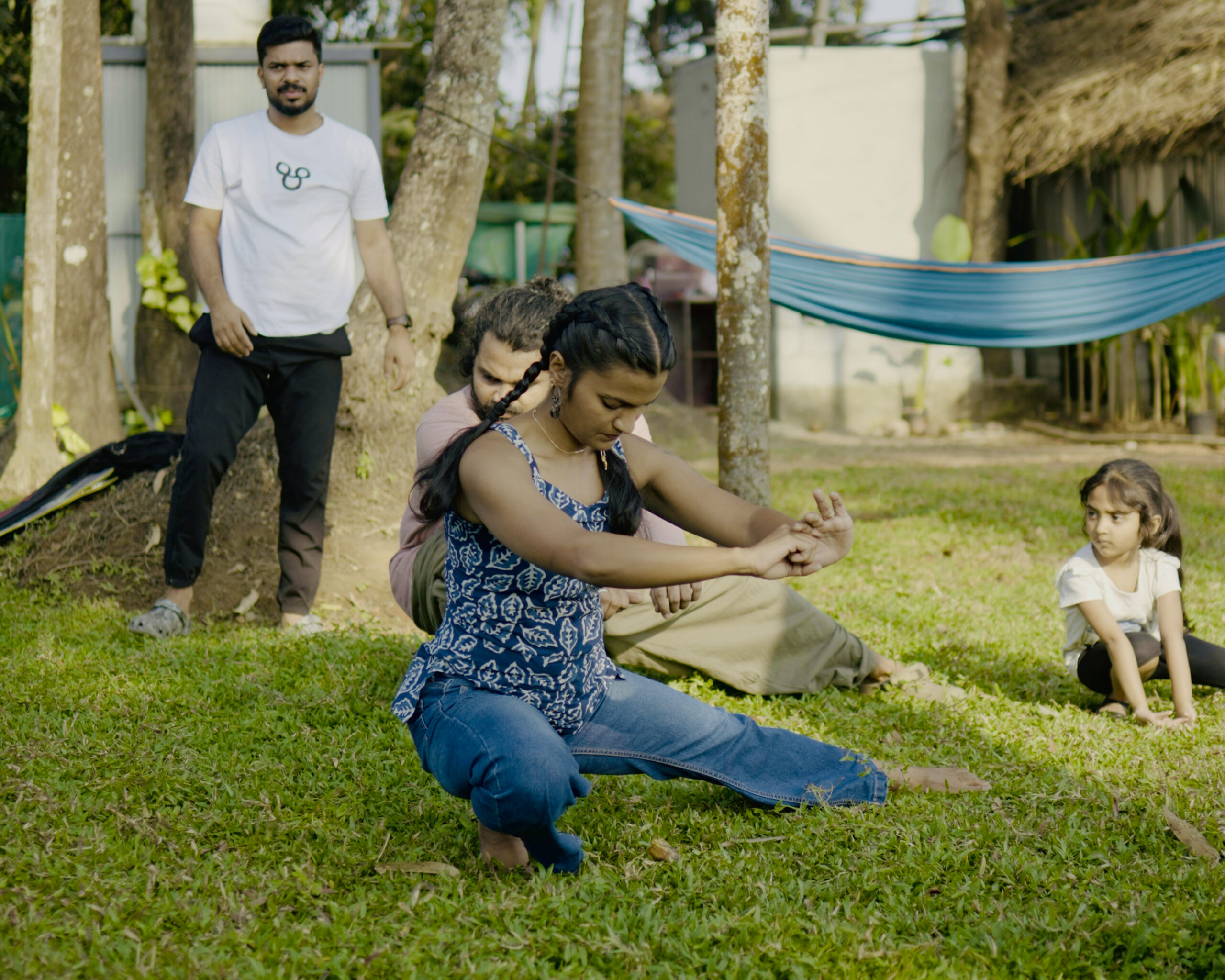
Introduction
Children learn best when they actively engage with the world around them. Touching, moving, balancing, exploring, and interacting with different environments all play a major role in brain development. This is where sensory play becomes incredibly important.
Sensory play activities help children improve focus, concentration, coordination, emotional regulation, and learning abilities through movement and exploration. In today’s fast-paced digital environment, introducing movement-based sensory activities can help children develop essential cognitive and physical skills naturally and effectively.
What is Sensory Play?
Sensory play refers to activities that stimulate a child’s senses, including:
- Touch
- Movement
- Balance
- Sight
- Hearing
- Body awareness
These activities encourage children to explore and process information through physical interaction. Sensory experiences help strengthen neural pathways in the brain, supporting learning and development.
Simple activities such as balancing, jumping, climbing, or interactive movement games can significantly improve a child’s ability to focus and learn.
Why Sensory Development Matters
A child’s sensory system is directly connected to how they process information, react to situations, and engage with learning environments.
When sensory systems are properly stimulated, children often experience:
- Better concentration
- Improved emotional control
- Enhanced coordination
- Stronger motor skills
- Increased confidence
- Better classroom participation
Sensory-rich activities help children stay mentally engaged while improving physical awareness and cognitive performance.
The Connection Between Movement and Brain Development
Movement activates multiple areas of the brain simultaneously. Activities involving balance, coordination, and body control stimulate the vestibular system, which is essential for focus, posture, and spatial awareness.
Children who regularly participate in sensory movement activities may show improvements in:
- Attention span
- Memory retention
- Information processing
- Reaction time
- Problem-solving skills
This is why movement-based learning is becoming increasingly important in modern education and child development programs.
How Sensory Play Improves Focus
1. Encourages Active Attention
Sensory play requires children to stay physically and mentally engaged. Activities involving balance and movement naturally improve body awareness and concentration.
Unlike passive screen time, sensory activities encourage children to actively process information through action.
2. Reduces Restlessness
Children often struggle with sitting still for long periods. Sensory movement activities help release energy in a productive and healthy way.
This can help children feel calmer, more organized, and more prepared for learning activities afterward.
3. Strengthens Brain-Body Coordination
Balance exercises and movement-based play improve communication between the brain and body. Better coordination often leads to improved confidence and learning performance.
Children who develop stronger body control may also perform better in writing, sports, and classroom activities.
4. Supports Emotional Regulation
Sensory play can help children feel more relaxed and emotionally balanced. Movement-based activities often reduce stress and improve mood, creating a more positive learning experience.
Sensory Play Activities for Children
Parents and educators can introduce simple sensory activities such as:
- Balance board exercises
- Obstacle courses
- Jumping games
- Walking challenges
- Movement-based learning games
- Coordination activities
- Interactive physical play
The goal is to create fun experiences that combine learning with movement.
How ERU Play Supports Sensory Learning
ERU Play combines movement, balance, and interactive play to help children improve focus, coordination, and sensory development.
ERU Play encourages children to:
- Stay active
- Improve concentration
- Build motor skills
- Develop confidence
- Learn through movement
The balance-based learning approach makes physical activity engaging while supporting cognitive and emotional growth.
Why Movement-Based Learning is the Future
Traditional learning methods often focus heavily on sitting and passive listening. However, research increasingly shows that children learn more effectively when movement is involved.
Movement-based sensory activities help children:
- Stay engaged longer
- Improve memory retention
- Develop creativity
- Build stronger neural connections
- Enjoy the learning process
Integrating sensory play into everyday routines can create healthier and more effective learning experiences for children.
Conclusion
Sensory play is much more than entertainment — it is a powerful developmental tool that supports focus, learning, coordination, and emotional growth.
By encouraging movement-based activities, parents and educators can help children develop stronger minds, healthier bodies, and better learning abilities.
Through interactive balance and sensory experiences, ERU Play helps children grow, learn, and thrive through movement and play.
Frequently Asked Questions
What is sensory play?
Sensory play includes activities that stimulate a child’s senses through movement, touch, balance, and interaction.
Can sensory activities improve focus?
Yes. Sensory play helps children improve concentration, attention span, and mental engagement.
Why is movement important for learning?
Movement activates multiple areas of the brain, helping children process information more effectively.
Are balance activities part of sensory play?
Absolutely. Balance exercises stimulate vestibular development and improve body awareness, coordination, and focus.